

We bring the latest updates from 2026 straight to readers who want clarity, context, and practical insight into how artificial intelligence is shaping consumer technology.
CES 2026 Day 1 delivered a clear message. AI is now part of the core design of consumer devices. From televisions and home robots to wearables and creative tools, artificial intelligence is no longer experimental. It is operational, commercial, and visible.
Key takeaways from CES 2026 Day 1
- CES 2026 opened with a strong focus on AI-driven consumer tech, smart home systems, and next-generation displays.
- Major brands including LG, Samsung, and emerging startups presented products centered on intelligence, automation, and personalization.
- AI is no longer a side feature. It is embedded directly into hardware, wearables, and home systems.
- The AI Library continues to track and publish CES 2026 developments so readers can follow real-world AI adoption as it happens
Why CES 2026 matters for AI-focused readers
CES has always been a signal event for consumer technology. In 2026, it also serves as a checkpoint for AI adoption.
Instead of concept demos, companies are showing finished products built around machine learning, vision systems, and on-device intelligence. This shift matters for developers, founders, and everyday users tracking how AI moves from labs into homes.
The AI Library publishes CES coverage to help readers connect hardware trends with broader AI product development. For a look at what to expect at CES 2026, read AI Library breakdown of Trends, Tech, and Themes to Watch at CES 2026, which provides useful background on exhibitions.
CES 2026 Day 1: 10 Exhibitions That Will Blow Your Mind
1. LG Wallpaper TV and wireless display systems
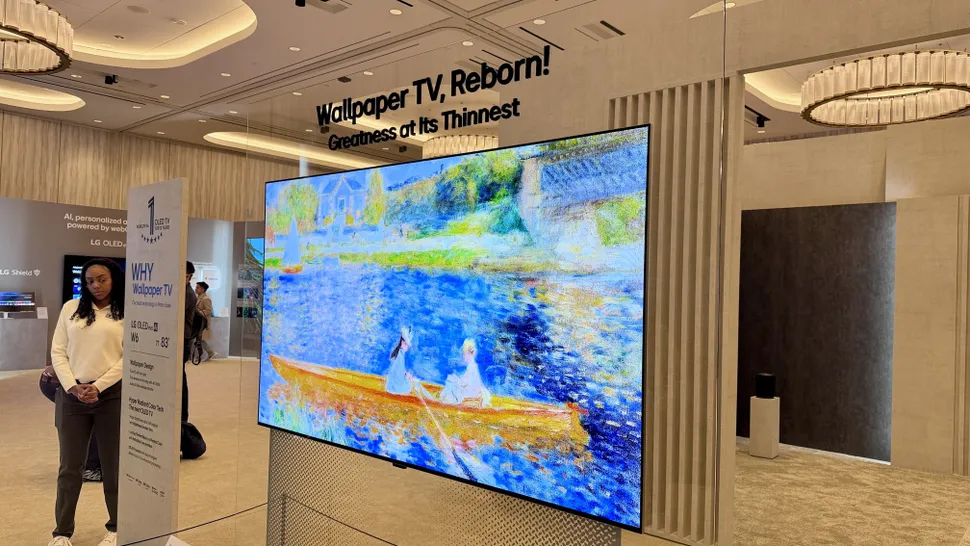
LG opened CES 2026 with a strong statement in display technology.
The updated Wallpaper TV pushes thin OLED panels closer to architectural elements than traditional televisions. The system relies on a wireless breakout box that sends video and audio without visible cables.
AI plays a role in image optimization, motion smoothing, and adaptive brightness. These systems analyze viewing conditions in real time and adjust output automatically.
For consumers, this signals where premium home entertainment is heading. Displays are becoming software-driven surfaces rather than static screens.
2. Samsung OLED and Micro RGB televisions
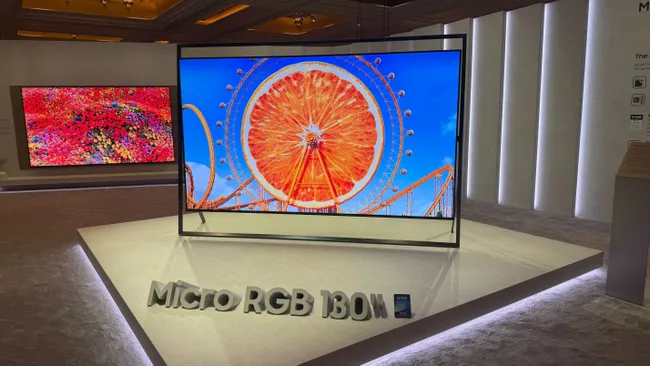
Samsung expanded its OLED lineup while also previewing massive Micro RGB panels reaching up to 115 inches.
The company highlighted AI-based color tuning, content recognition, and energy optimization. The televisions adjust settings based on viewing habits and environmental conditions.
Micro RGB technology targets luxury installations, but its presence at CES suggests future cost reductions and wider adoption.
This category shows how AI-driven processing is now inseparable from high-end display hardware.
3. Dreame X60 AI-powered robot vacuum
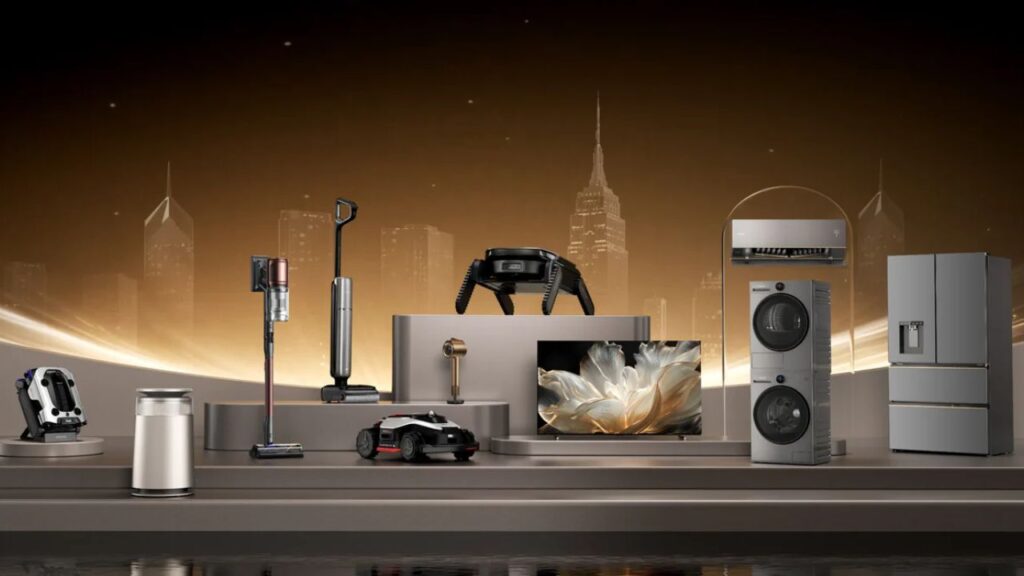
Home robotics remains one of the clearest consumer uses of applied AI.
The Dreame X60 robot vacuum uses computer vision and spatial mapping to identify objects, avoid obstacles, and improve cleaning routes over time. Its AI system learns room layouts and adjusts suction dynamically.
This device reflects a broader shift in consumer robotics. Intelligence is no longer limited to navigation. It influences decision-making, efficiency, and long-term performance.
4. LG CLOiD home assistant robot
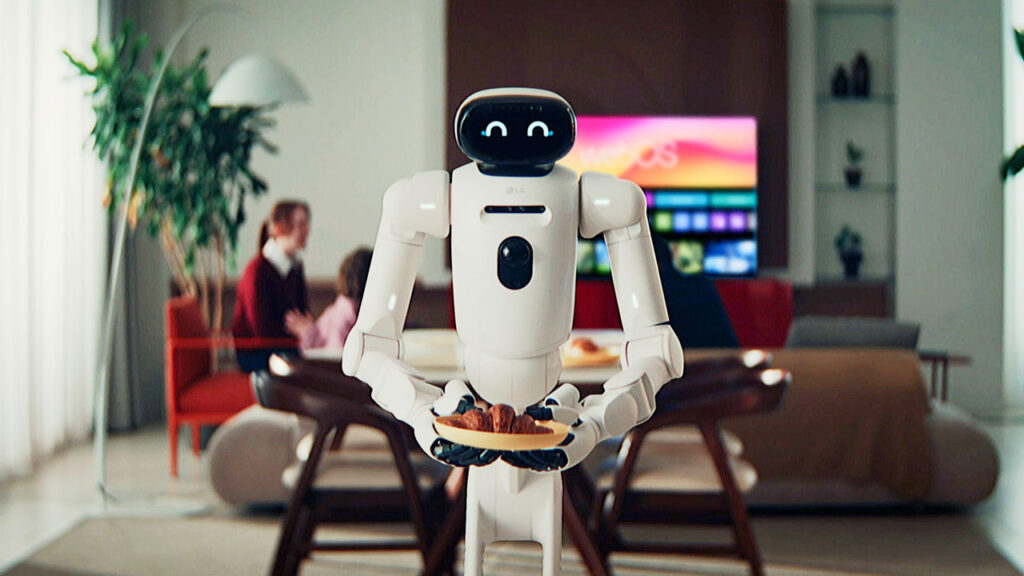
LG introduced CLOiD, a household robot designed for light chores, monitoring, and assistance.
The robot combines robotic arms, mobility systems, and AI perception. It builds on technology developed for autonomous vacuums and service robots.
CLOiD highlights how AI hardware platforms are converging. Vision, language processing, and robotics are merging into unified consumer systems.
While still early, this product category hints at future multi-purpose home robots.
5. SwitchBot AI MindClip wearable

Wearable AI moved beyond fitness at CES 2026.
The SwitchBot AI MindClip is designed to record conversations and generate summaries using on-device and cloud-based processing. The goal is memory support rather than passive tracking.
This raises important questions around privacy, consent, and data handling. At the same time, it shows how AI assistants are becoming personal documentation tools.
The presence of such devices at CES suggests growing interest in ambient AI systems.
6. Xreal 1S smart glasses and spatial computing

Smart glasses returned to CES with clearer use cases.
The Xreal 1S focuses on entertainment, mobile gaming, and extended display functionality. Its Real 3D feature allows content to remain fixed in space relative to the user.
AI supports head tracking, display calibration, and interaction mapping. These features reduce friction and improve usability compared to earlier AR attempts.
This signals gradual progress toward mainstream spatial computing hardware.
7. Paper ultra-thin Android tablet

The Paper tablet attracted attention for its extreme thinness and large AMOLED display.
Beyond hardware design, AI-driven display management adjusts brightness, power use, and visual clarity. The device supports USB-C and mini-HDMI, positioning it as a flexible productivity screen.
Tablets remain competitive because AI helps extend battery life and improve visual performance without additional hardware complexity.
8. Govee Ceiling Light Ultra with AI control

Smart lighting continues to evolve from app-based controls to language-driven systems.
The Govee Ceiling Light Ultra integrates AI voice understanding and adaptive lighting profiles. Users can issue natural language commands to adjust brightness, tone, and ambiance.
The system learns preferences over time, adjusting automatically based on usage patterns.
This product shows how AI simplifies smart home control while reducing manual setup.
9. Fraimic smart E Ink art canvas
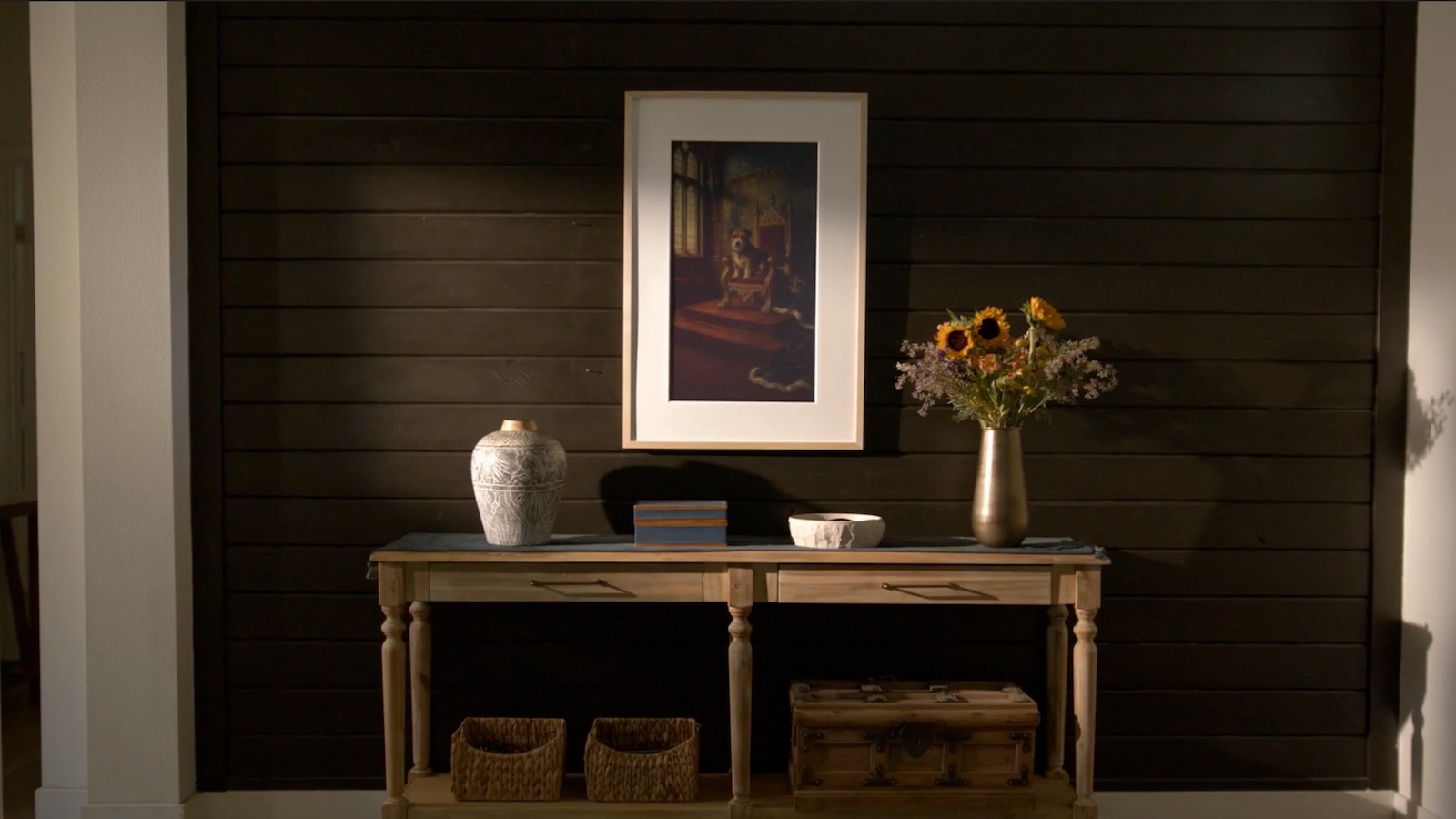
Creative AI appeared in physical form through the Fraimic smart canvas.
The E Ink display generates artwork based on user prompts and descriptions. AI models translate text into visual compositions that refresh without constant power draw.
This product connects generative AI with interior design and creative expression.
It also shows how AI content generation is moving beyond screens and into physical environments.
10. Glyde AI-assisted hair clippers

Personal grooming entered the AI conversation in an unexpected way.
Glyde smart clippers use sensors and AI guidance to help users achieve consistent haircuts. The system provides feedback on pressure, angle, and movement.
This reflects a growing category of skill-assist devices where AI helps users perform tasks with professional-level accuracy.
AI integration trends across CES 2026
Across all exhibitions, several themes repeated.
AI systems are increasingly embedded rather than optional. Devices learn user behavior over time. Hardware relies on software updates to improve post-purchase performance.
Edge AI also gained attention. More processing is happening locally on devices, reducing latency and data exposure.
These patterns align with trends tracked across the AI Library platform and its directory of 500+ AI tools.
What CES 2026 Day 1 signals for AI adoption
CES 2026 Day 1 confirmed that AI is now infrastructure, not an add-on.
Consumer products rely on machine learning for core functionality. Companies compete on intelligence quality, not just specifications.
For readers following AI product development, CES offers a preview of what will reach mainstream markets next.
The AI Library continues to publish coverage that connects CES announcements with real-world AI tools, startups, and platforms.
Read Also: Countdown to CES 2026: 10 Facts You Probably Didn’t Know
Why follow CES coverage on The AI Library
The AI Library brings the latest updates from 2026 with a focus on how AI products function in practice.
Beyond CES reporting, the platform hosts a gamified launchpad featuring hundreds of AI tools across productivity, creativity, and business use cases. Readers can track new launches, participate in challenges, and engage with a growing AI-focused community.
CES coverage complements this mission by showing how AI moves from software into everyday hardware.
Original reporting and product descriptions are credited to Tom’s Guide CES 2026 live coverage and Day 1 gadget highlights.